Why Traveling Slow Often Leads to Richer Cultural Experiences: Embracing Depth Over Speed
Traveling slowly offers unique advantages that can transform a trip into a profound cultural experience. By taking the time to immerse oneself in a destination, travelers often forge deeper connections with local communities, traditions, and environments. This approach encourages meaningful interactions that can reveal hidden gems that fast-paced tourism frequently overlooks.
As travelers navigate through their surroundings at a leisurely pace, they become more attuned to the nuances of daily life. Observing the rhythm of a community allows for a richer understanding of its customs and values. Engaging with locals, savoring traditional meals, and participating in festivals contribute to a more authentic cultural narrative.
In essence, slow travel reshapes how one experiences a place, fostering growth and appreciation that go beyond the surface. Embracing this mindset opens a world of stories and insights that fast travel simply cannot provide, enhancing the journey in ways that remain long after the trip ends.
How Traveling Slow Creates Deeper Cultural Connections
Traveling slowly allows individuals to immerse themselves in local culture, fostering significant connections through direct interactions. This approach enhances the travel experience by deepening relationships and integrating visitors into community traditions.
Immersive Travel Through Meaningful Interactions
Slow travel prioritizes quality over quantity, enabling travelers to engage more profoundly with their surroundings. By taking time to interact with locals, they gain insights into daily life, traditions, and values.
For example, visiting a market can turn into a rich conversation about regional ingredients, cooking methods, and family recipes, strengthening the cultural exchange. This direct engagement also cultivates a sense of belonging, allowing travelers to see beyond the typical tourist experience.
Building Lasting Relationships with Locals
When travelers adopt a slow travel approach, they are more likely to build lasting relationships with local residents. Spending extended periods in one place fosters connections that can turn into friendships.
Sharing meals, attending community events, or volunteering are excellent avenues for establishing rapport. These interactions often lead to personal invitations to family gatherings or cultural ceremonies, offering unique perspectives that enhance understanding of the local way of life.
Participating in Community Traditions
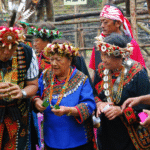
Slow travel invites individuals to actively participate in community traditions, creating memorable experiences. This involvement can take many forms, such as joining local festivals, workshops, or classes that showcase traditional crafts and practices.
When travelers embrace these opportunities, they deepen their appreciation for the culture. For instance, learning a local dance can reveal cultural significance and history, making the journey more rewarding. Engaging in local customs not only enriches the travel experience but also honors the community’s heritage, creating bonds that can last far beyond the trip.
The Principles and Benefits of the Slow Travel Movement
The slow travel movement emphasizes quality experiences and a mindful approach to exploring new places. This philosophy encourages travelers to immerse themselves in local cultures, avoid the rush of traditional tourism, and prioritize well-being.
Prioritizing Quality Over Quantity in Travel
Quality over quantity is a fundamental principle of slow travel. It encourages travelers to spend more time in fewer locations, which fosters deeper connections with the surrounding culture.
Travelers can focus on experiencing local customs, cuisines, and traditions. Engaging with locals, whether through community events or home dining experiences, enhances the travel experience significantly.
By concentrating on fewer destinations, travelers can gain a more profound understanding of their environment. This approach often leads to richer memories and a more fulfilling overall experience.
Adopting a Mindful Travel Mindset
A mindful travel mindset is essential for those embracing slow travel. It encourages travelers to be present and engaged, rather than distracted or rushed. Mindfulness during travel can take many forms, such as savoring traditional meals or participating in local workshops.
Focusing on the moment helps travelers appreciate their surroundings fully. This engagement often leads to unexpected discoveries and deeper interactions with locals, enriching the travel experience.
Practicing mindfulness can transform the way individuals connect with their travel destinations, allowing them to absorb the beauty and complexity of different cultures.
Avoiding Travel Burnout and Fostering Well-being
The slow travel movement actively counters travel burnout, a common issue in fast-paced tourism. By allowing more time at each stop, travelers can rest and recharge, enhancing their overall well-being.
This approach reduces the stress associated with rushing through itineraries and alleviates feelings of overwhelm. Instead, travelers can enjoy leisurely strolls, reflective moments, and spontaneous explorations.
Benefits of a slower pace include improved mental clarity and a more profound sense of satisfaction. Traveling at a comfortable speed allows individuals to reconnect with themselves and the world around them, leading to a more enriching journey.
Sustainability, Local Economies, and Authentic Experiences
Traveling slowly allows for a deeper connection to local communities and encourages sustainable practices. This engagement supports local economies and fosters authentic experiences, enriching the traveler’s journey.
Supporting Sustainable Travel and the Local Economy
Travelers can make a significant impact by prioritizing sustainable options that benefit local economies. Choosing locally-owned businesses, such as restaurants and shops, helps keep money within the community.
Using public transport instead of rental cars reduces carbon footprints and supports local transit systems. Moreover, slow travelers can engage in activities like community-based tourism, which directly involves local people in managing and benefiting from tourism.
Embracing Responsible Accommodation and Transportation
Opting for eco-friendly accommodations contributes to sustainability. Vacation rentals and homestays often prioritize environmentally responsible practices, unlike large hotel chains.
Travelers should also consider glamping as an alternative. This option merges comfort with environmental consciousness, typically located in natural settings that support conservation efforts.
Using public transport or biking instead of cars encourages less pollution and supports infrastructure that serves locals.
The Role of Food, Markets, and Everyday Life
Food plays a crucial role in cultural immersion. Engaging with local markets promotes not only sustainability but also highlights regional cuisines and customs.
The slow food movement emphasizes eating locally sourced ingredients, enhancing the authenticity of culinary experiences. This approach supports farmers and encourages biodiversity.
Travelers can participate in cooking classes or food tours that showcase traditional recipes and farming practices. Such experiences foster connections between visitors and communities, creating lasting memories and meaningful interactions.
Iconic Destinations and Real-World Examples of Slow Travel
Slow travel not only enriches experiences but also fosters deeper connections with local culture. Prominent destinations like Italy illustrate the benefits of taking time to experience food, wine, and engaging with communities.
Exploring Italy and the Origins of Slow Food
Italy is a beacon for slow travel, particularly through its slow food movement, founded in the 1980s. This movement emphasizes local ingredients, traditional cooking methods, and the enjoyment of meals. Regions like Emilia-Romagna celebrate gastronomic fairs showcasing local specialties.
Visitors experience food as a celebration rather than mere sustenance. Participating in cooking classes allows for interaction with local chefs. They gain firsthand knowledge of regional cuisine, making dining a fully immersive experience.
Experiencing Tuscany’s Wine Tours and Local Flavors
Tuscany stands out with its scenic vineyards and rustic charm. Here, wine tours offer travelers a chance to savor both wines and landscapes. These experiences often include guided tastings at family-owned vineyards, allowing for a genuine glimpse into winemaking.
Tourists can engage in grape harvesting during the season, which cultivates a connection to the land. Local markets feature fresh produce and artisan products. Visitors learn about the importance of seasonality, influencing both meals and wines.
Embracing Road Trips, Unique Stays, and Community Engagement
Road trips through Italy enable travelers to embrace spontaneity and discover hidden gems off the beaten path. Each town offers unique accommodations, from agriturismos to home stays found on platforms like Couchsurfing.
These arrangements foster community engagement, providing insight into daily Italian life. Interactions with hosts often lead to shared meals and local stories.
Driving through picturesque landscapes allows for immersive experiences. Travelers find themselves stopping at local festivals or artisan workshops, gaining deeper cultural insights.